Weight loss medication has become one of the most talked about health topics in the UK. Wegovy has now been licensed as a weight loss tablet, rather than an injection which you might have seen on
the BBC website, many people are now asking the same questions: does it work, is it safe, who can take it, and do I need a doctor’s assessment first?
At
The REAL Clinic we are very happy to be able to prescribe this as part of our
Doctor led weight loss service.
The simple answer is this: weight loss medication can be helpful for some people, but it is not suitable for everyone. It should never be seen as a quick fix, a cosmetic treatment, or something to take without proper medical advice. You can read more about the science behind the Wegovy tablet (or Semaglutide, which is the official medical name)
here. You can also see one of our other blogs about
safety here.
With the recent approval of a new GLP-1 weight loss tablet in the UK, it is more important than ever for patients to understand what these medicines do, who they are intended for, and why a doctor-led consultation is the safest place to start.
What Is the New Weight Loss Pill?
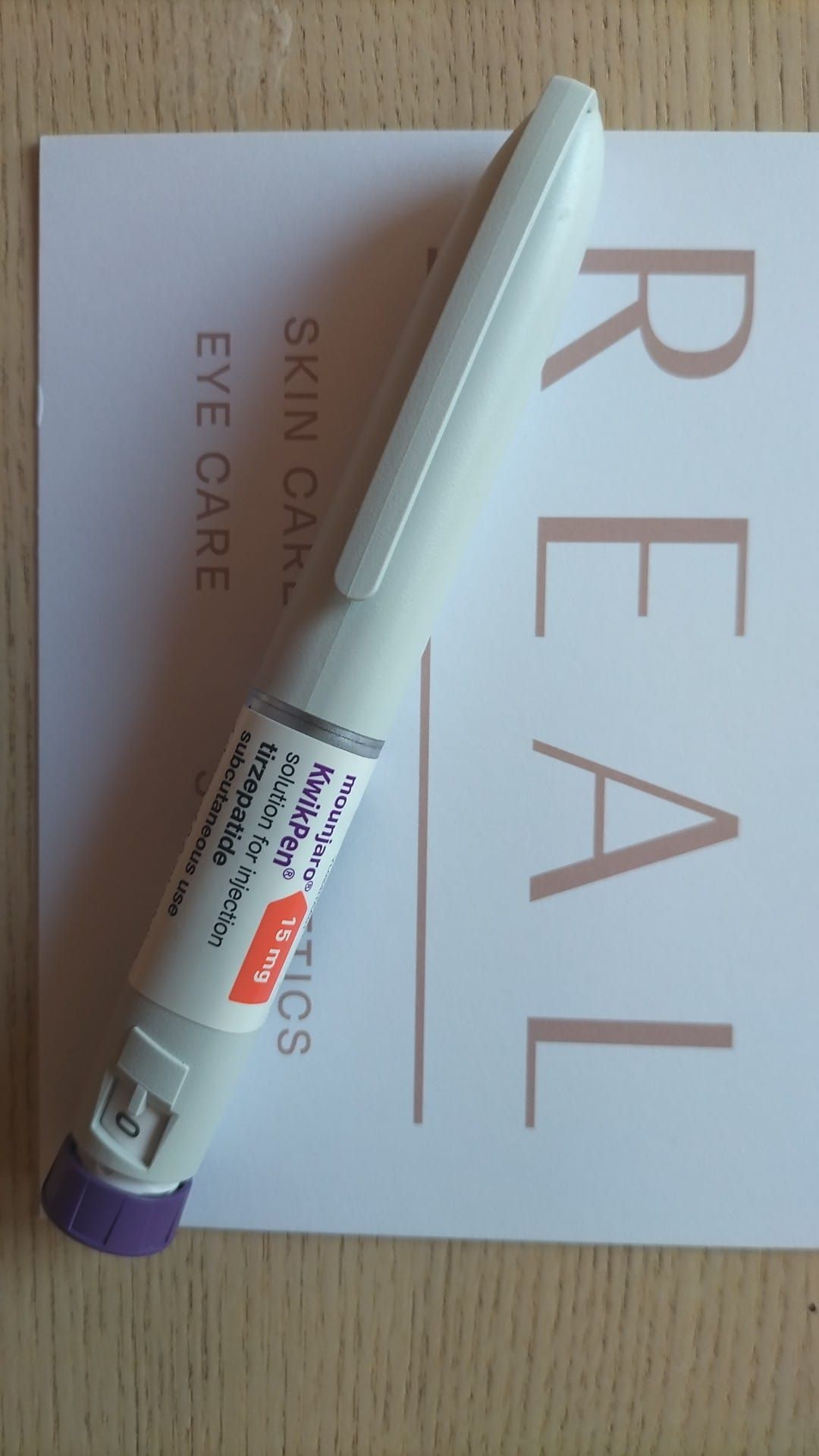
In June 2026, the UK medicines regulator approved the country’s first GLP-1 tablet for weight management: the Wegovy tablet, containing semaglutide.
At present, this is the only
GLP-1 weight loss pill approved in the UK for this purpose. It is available privately through
here at The REAL Clinic, subject to a consultation and prescription, but it is not currently available on the NHS.
GLP-1 medicines have already become well known in injection form, but the new tablet option has attracted attention because some patients may prefer a tablet to a weekly injection.
However, it is important to understand that this is still a prescription only medicine. It is not suitable for general weight loss, short term body goals, or cosmetic use. A healthcare professional needs to assess whether it is clinically appropriate, safe, and suitable for the individual patient.
Weight loss medication should also be used alongside lifestyle changes, including nutrition support, physical activity, and long term weight management planning.
How Does GLP-1 Weight Loss Medication Work?
GLP-1 medicines work by copying the action of a natural hormone in the body that helps regulate appetite and fullness after eating.
In simple terms, they may help some people:
- Feel fuller for longer
- Experience reduced hunger
- Eat smaller portions
- Better manage cravings
- Support gradual weight loss when combined with lifestyle changes
Some medicines in this category also affect blood sugar control, which is why certain GLP-1 medicines are used in diabetes care as well as weight management.
This does not mean the medicine does all the work on its own. Patients still need the right diet, activity level, monitoring, and
clinical guidance. The best outcomes are usually seen when medication is part of a structured weight management plan rather than being used in isolation.
Weight Loss Tablet vs Injection: What Is the Difference?
A tablet may feel more convenient for people who are nervous about injections. However, some weight loss tablets need to be taken in a very specific way for the body to absorb them properly. This may include taking the tablet on an empty stomach and waiting before eating or drinking.
Injections, on the other hand, are usually taken less frequently, often once weekly depending on the medicine. Some patients may find this easier to manage, while others may prefer the idea of a daily tablet.
The tablet also needs to be taken on an empty stomach, and you can’t eat anything for 30 minutes afterwards, to allow the body to properly absorb it.
The safest decision is always made after a personalised assessment.
Possible Side Effects and Safety Considerations
Like all medicines, weight loss medications can cause side effects.
Common side effects may include:
- Nausea
- Vomiting
- Diarrhoea
- Constipation
- Indigestion
- Abdominal discomfort
- Reduced appetite
For many patients, side effects may improve as the body adjusts, but some people may experience symptoms that are more difficult to manage.
There are also some very rare considerations but potentially more serious complications, such as gall bladder or pancreas problems
This is why
weight loss medication should not be purchased from unregulated websites, social media sellers, beauty providers, or anyone offering it without a proper consultation. Prescription only medicines should only be supplied through safe, regulated routes.
Why Medical Supervision Matters
Weight loss medication is not just about prescribing a tablet or injection. Safe treatment starts with a proper clinical assessment.
A doctor-led weight management consultation may include:
- BMI and weight assessment
- Medical history review
- Medication review
- Blood pressure check
- Discussion of weight related health risks
- Review of previous weight loss attempts
- Lifestyle and nutrition discussion
- Suitability and safety assessment
- Explanation of benefits, risks, and alternatives
- Follow-up planning
This is important because weight management is personal. Some patients may benefit from medication, while others may need lifestyle support, blood tests, specialist referral, or a different treatment plan.
Medical supervision also helps patients understand realistic expectations. Healthy weight loss takes time, and the goal should be long term improvement in health, not rapid or unsafe weight reduction.
Why Exercise and Nutrition Still Matter
Weight loss medication can help reduce appetite, but lasting results come from what you build around it. The goal is not just to lose weight, but to feel stronger, healthier and more in control of your routine.
This is where movement and nutrition matter. Regular activity helps protect muscle, support energy levels and improve overall health, while the right diet helps manage cravings, fuel the body and make weight loss easier to maintain.
At The REAL Clinic, Emily Barrett, our Dietitian and Personal Trainer, can support you with tailored nutrition advice, exercise guidance and a realistic plan that fits around your lifestyle.
You can also read our
guide to exercise and weight loss for sustainable results for more practical advice.
Weight Loss Medication Is Not a Quick Fix
The new Wegovy weight loss pill has created a lot of interest, but it is important to keep the conversation balanced.
Medication can support weight management for some patients, but it does not replace healthy eating, movement, sleep, mental wellbeing, and long term lifestyle changes. It is also not designed for people who simply want to lose a small amount of weight for cosmetic reasons.
A safe weight management plan should focus on improving health, reducing risk, and building habits that can be maintained over time.
If you are thinking about weight loss medication, the best first step is to speak to a qualified
healthcare professional. A consultation can help you understand whether treatment may be suitable, what your options are, and how to approach weight loss safely.